
Case study · Network Rail
Predicting condensation in a station underpass for Network Rail
Network Rail invited us to help research and establish a method for monitoring condensation in one of its stations—and to use the data to warn staff of likely future occurrences.
The challenge
Condensation in a busy passenger route.
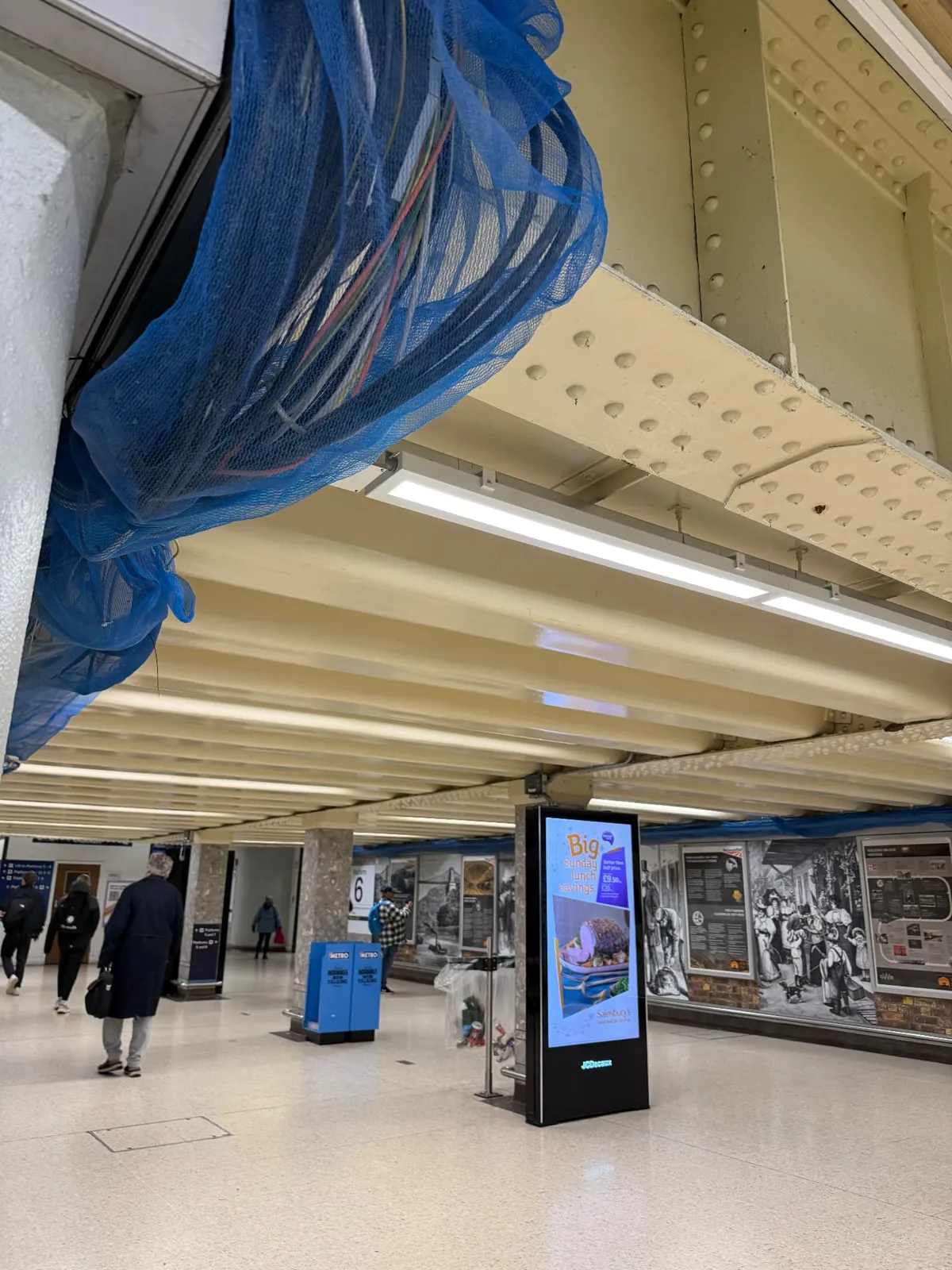
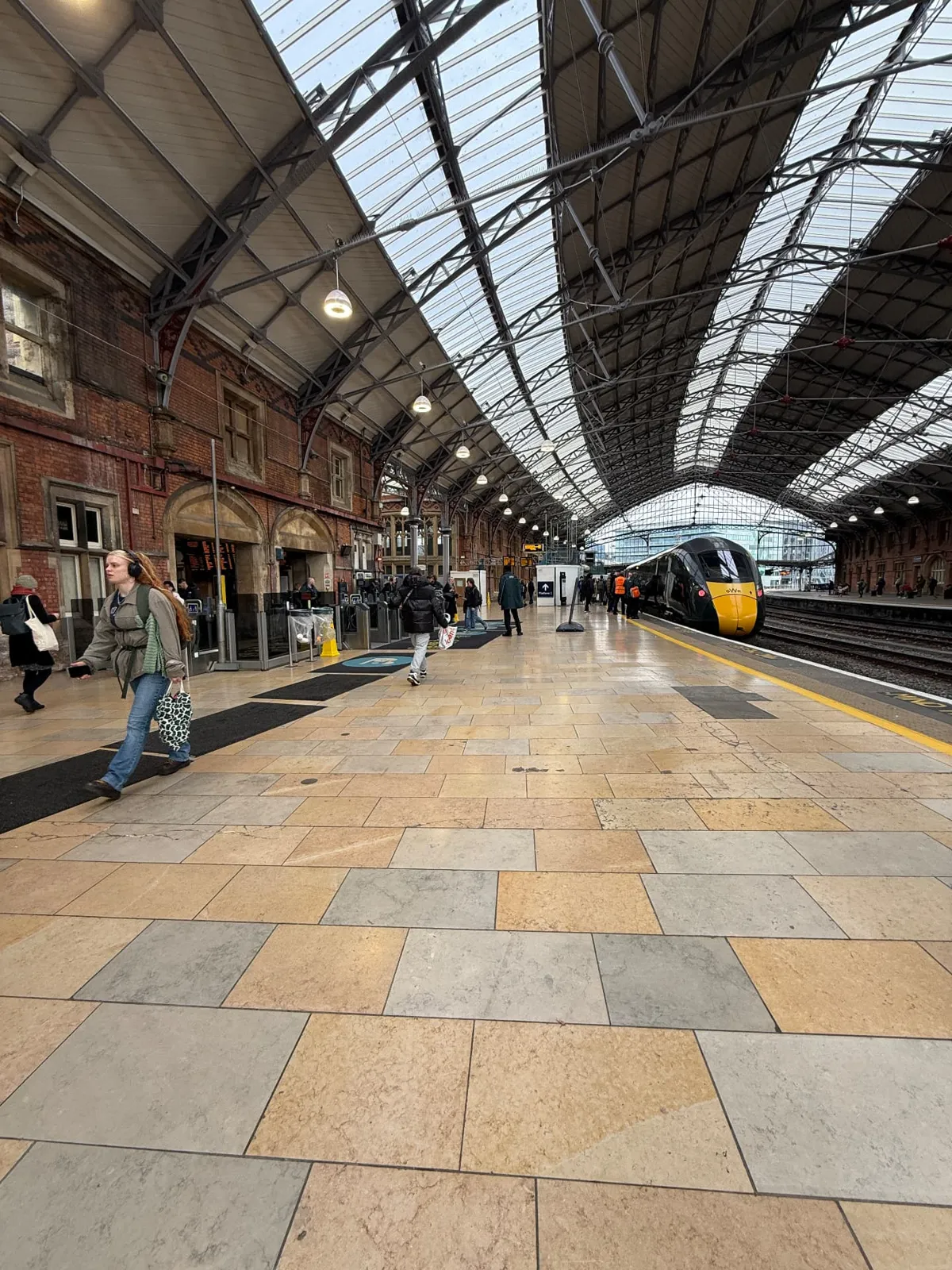
The project focuses on the underpass that connects the station’s passenger entrances with its platforms. Condensation here affects a space used by large numbers of people every day.
Reacting after condensation has formed leaves little time to act. Network Rail wanted a repeatable way to measure the conditions behind it and to know in advance when it was likely to occur.
- Client
- Network Rail
- Location
- Station underpass linking the passenger entrances with the platforms
- Focus
- Condensation occurrences on the underpass structure
- Equipment
- Two Trace monitoring devices and a Trace Hub
- Data sources
- On-site readings, Darwin train information and Met Office weather data
- Logging
- Every 15 minutes
Our approach
From measurement to prediction.
- 01
Understand the space
The underpass is a busy route between the station entrances and the platforms, with exposed riveted steelwork, services and finishes overhead. We studied where and when condensation formed before choosing monitoring positions.
- 02
Install our own monitoring devices
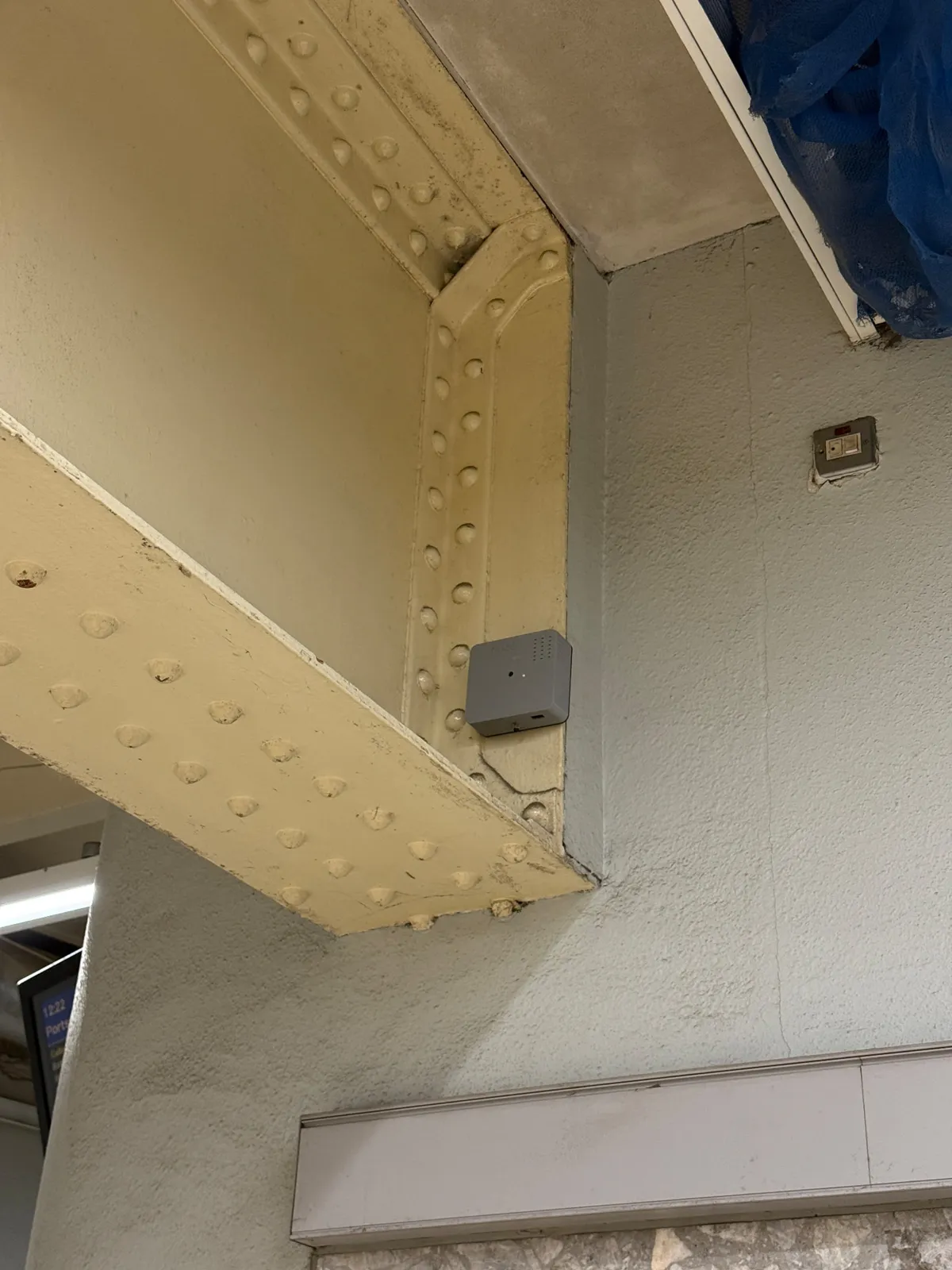
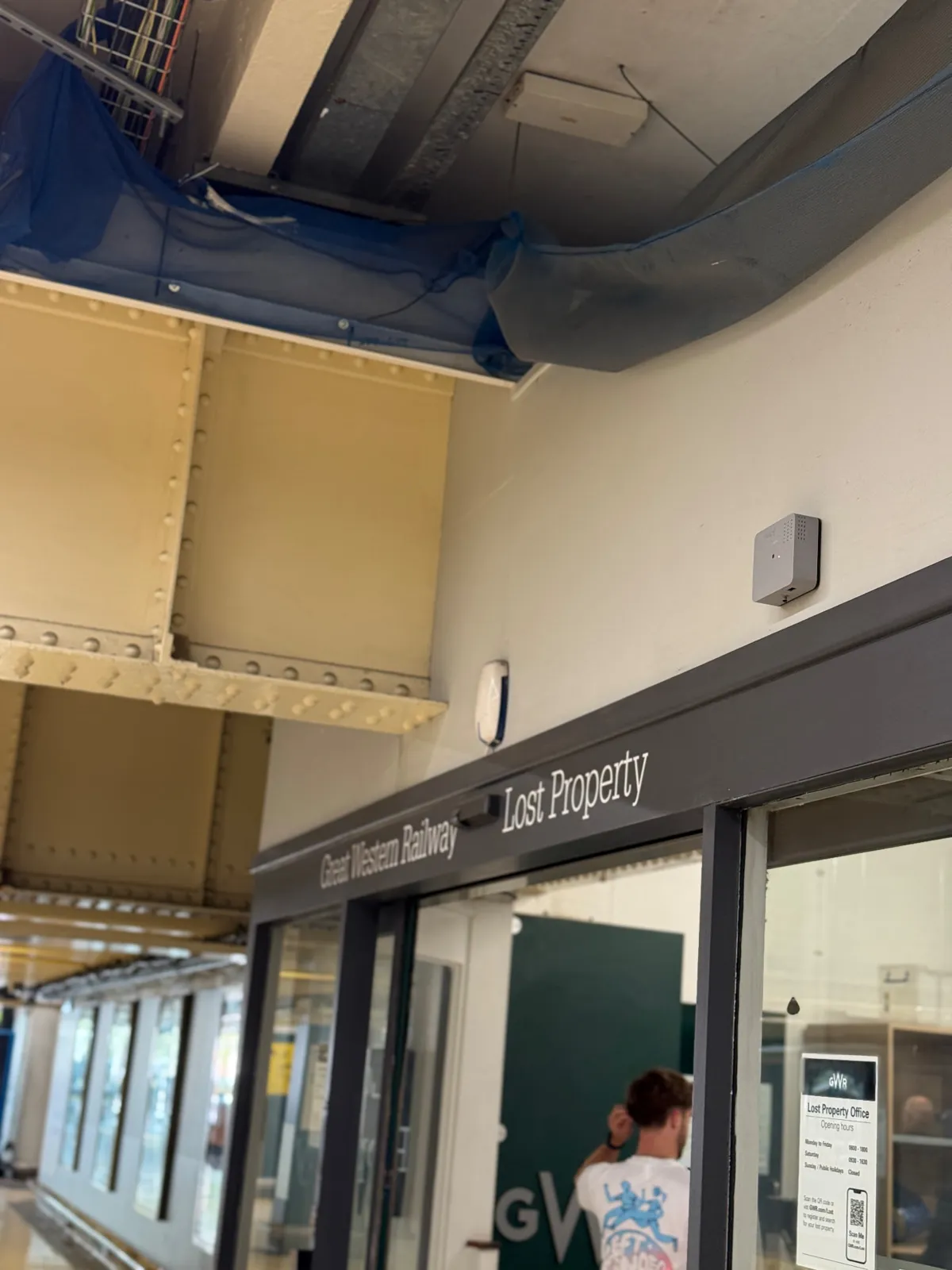
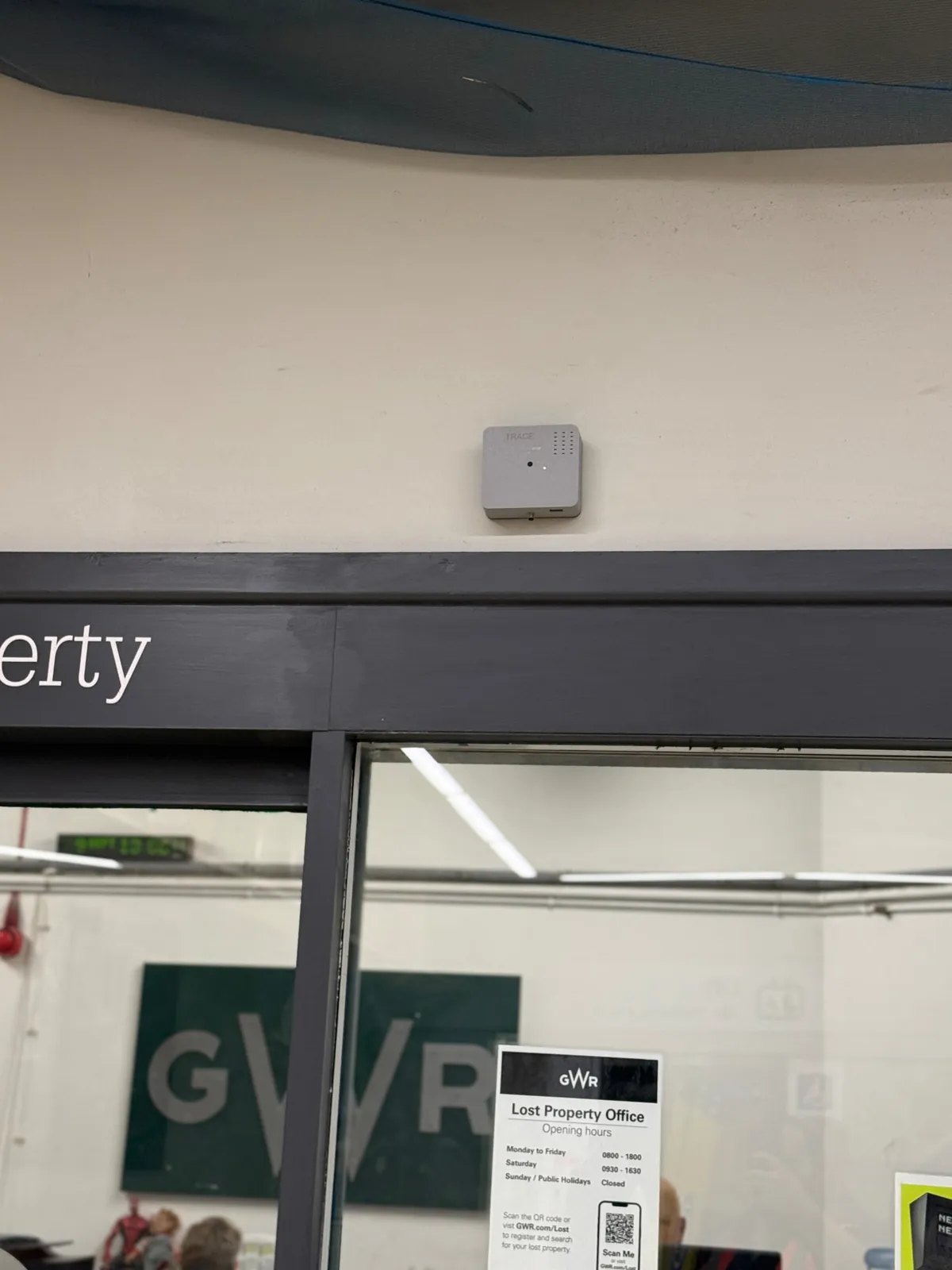
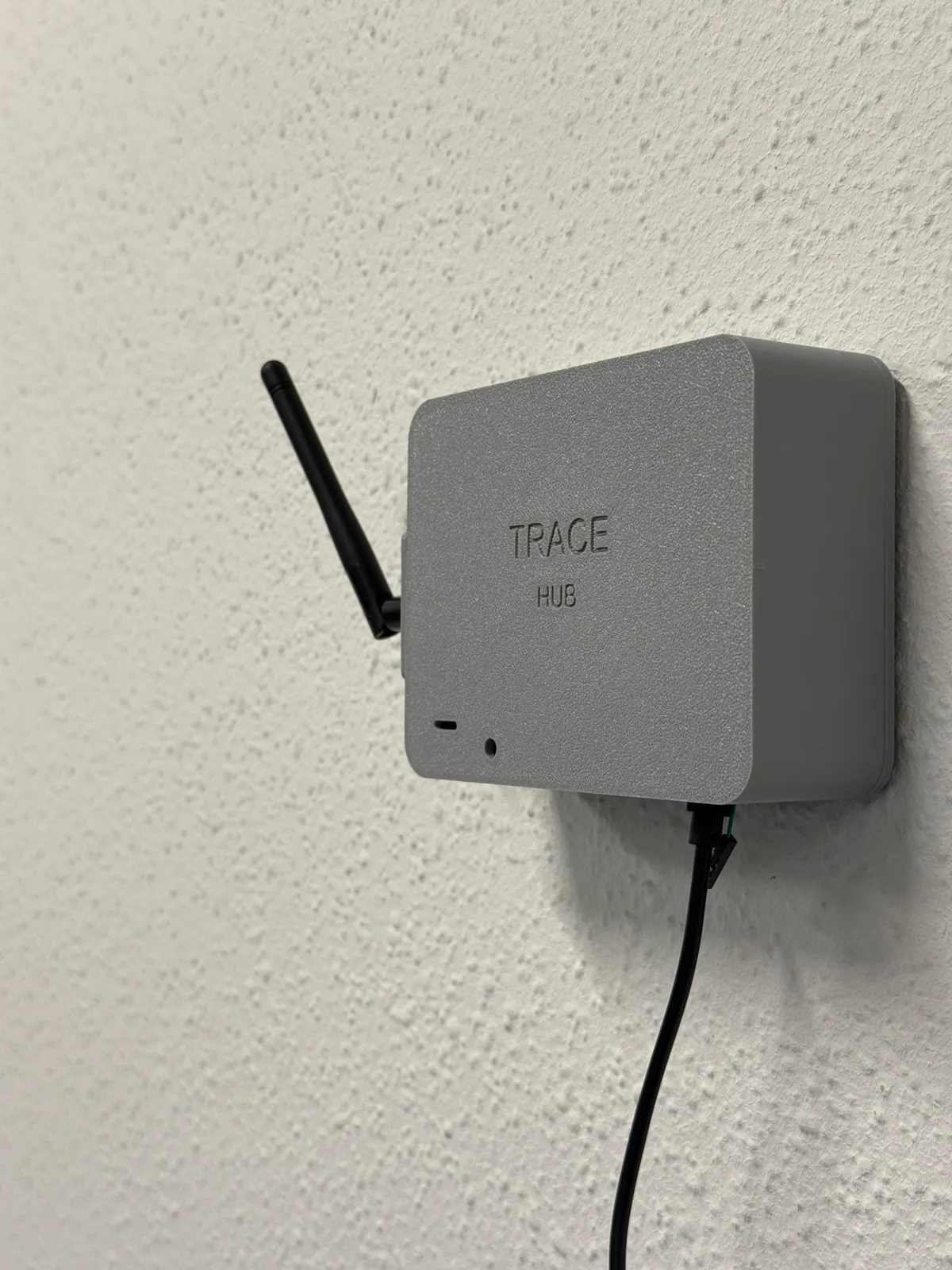
We currently have two Trace monitoring devices installed in the station, one on the steel structure and one above a doorway. A Trace Hub collects the readings, so monitoring does not depend on the station’s own network.
- 03
Log conditions every 15 minutes
Each device records at 15-minute intervals, building a continuous record of conditions through changing weather, footfall and times of day.
- 04
Predict occurrences from data alone
We combine the on-site readings with Darwin train information and Met Office weather data to recognise patterns. Depending on the environmental factors within the station, the method aims to alert staff to likely condensation before it happens. To date, it has accurately predicted condensation occurrences.
- 05
Turn evidence into a remediation plan
We combine the data with the building pathology experience of the Trace Surveys team to explain why condensation forms and to recommend remediation.
On site
The installation.
The outcome
Condensation predicted from data.
By combining readings logged every 15 minutes with train movements and weather data, the method has accurately predicted condensation occurrences in the underpass. That gives staff a chance to prepare rather than respond after the event.
The data shows when the conditions for condensation are present. Our building pathology team uses that evidence, alongside inspection, to explain the cause and recommend remediation.
Tell us what you need to understand.
Condensation in a station, public building or estate? Tell us about the space and we can discuss a monitoring approach.
Discuss a monitoring project